

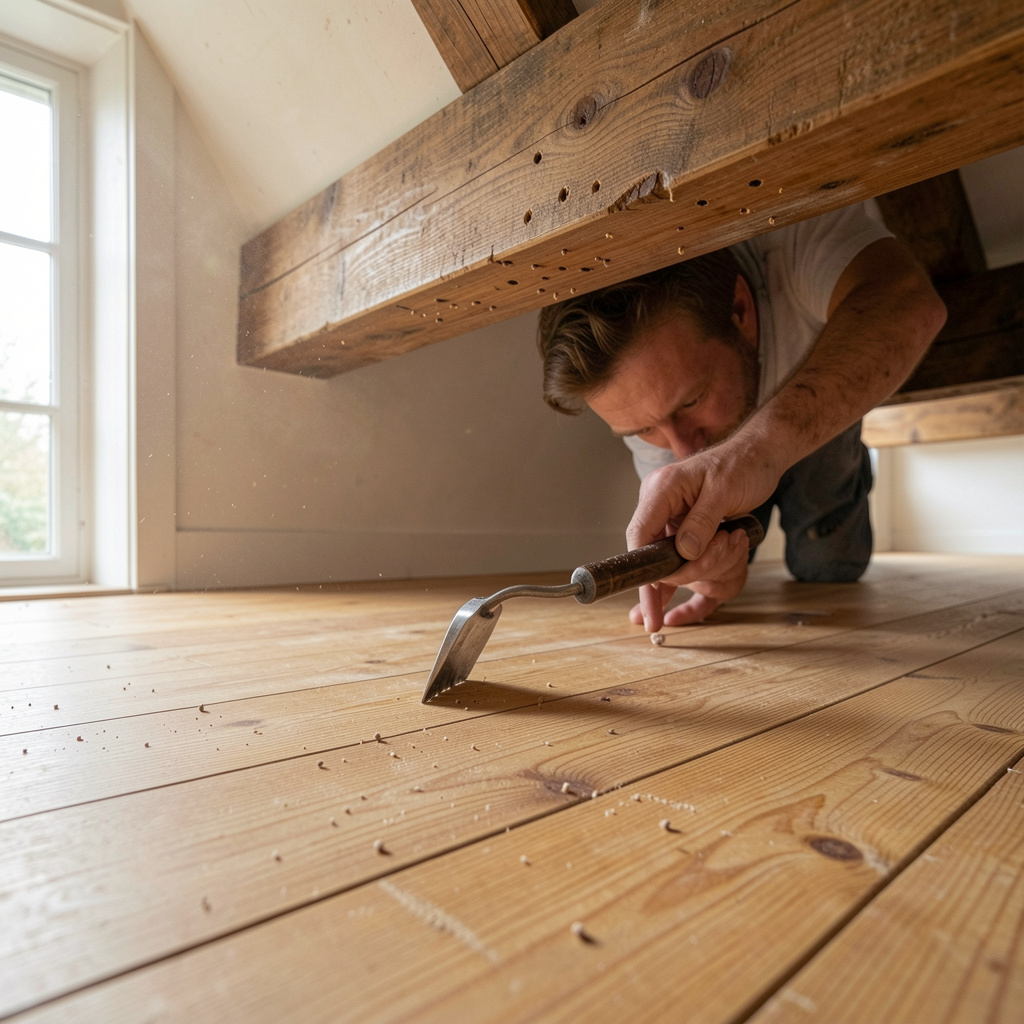
Pest control has long been associated with chemical sprays, pesticides, and strong insect-killing treatments. For decades, homeowners and businesses relied heavily on chemicals to eliminate pests such as termites, woodworm, ants, rodents, cockroaches, and other unwanted insects. However, as awareness about health, indoor air quality, and environmental impact has grown, many people now ask an important question: Are chemicals really necessary for pest control?
The answer is not always simple. In some situations, chemical treatments can be effective and necessary, especially for severe infestations. However, modern pest control has evolved significantly. Today, homeowners have access to safer, eco-friendly, and non-chemical alternatives that can successfully manage pests without relying heavily on harsh substances.
The truth is that chemicals are not always required. Prevention, moisture control, heat treatment, microwave technology, proper sanitation, and targeted pest management often provide highly effective solutions while reducing unnecessary chemical exposure.
Many homeowners researching safer home protection through shashel.eu/ are increasingly interested in whether pest control can work effectively without traditional pesticides.
In this article, we will explore whether chemicals are necessary for pest control, when they may be useful, and what alternatives exist.
Why Chemicals Became Popular in Pest Control
Chemical pest control became common because it offered a quick and effective way to eliminate insects.
Benefits of Chemical Treatments
Pesticides often provide:
- Fast pest elimination
- Wide coverage
- Affordable treatment options
For many years, chemicals were considered the standard solution for:
- Woodworm
- Termites
- Rodents
- Cockroaches
- Ant infestations
However, pest control methods have changed over time.
Chemicals Are Not Always Necessary
In many situations:
No, chemicals are not always necessary for pest control.
Modern alternatives can often manage infestations successfully.
The best treatment depends on:
- Pest type
- Infestation severity
- Property condition
Some problems respond well to non-chemical solutions.
Prevention Is Often More Important Than Chemicals
One of the biggest misconceptions about pest control is that pesticides alone solve problems.
In reality:
Prevention is often the most effective solution.
Preventive Steps Include
- Sealing cracks and gaps
- Fixing leaks
- Improving ventilation
- Keeping spaces clean
Healthy environments naturally discourage pests.
Prevention reduces the need for strong treatment later.
Moisture Control Helps Prevent Many Pests
Many pests thrive in damp conditions.
Why Moisture Matters
Damp environments attract:
- Woodworm
- Mold
- Cockroaches
- Termites
Common Moisture Sources
Watch for:
- Roof leaks
- Pipe leaks
- Poor drainage
Fixing moisture problems often reduces infestation naturally.
Dry homes are less attractive to pests.
Many homeowners exploring eco-friendly pest prevention through shashel.eu understand that moisture control is one of the most effective ways to reduce pest problems without chemicals.
Heat Treatment Is a Chemical-Free Option
Heat treatment has become a popular alternative.
How Heat Treatment Works
Controlled heat raises temperatures to levels pests cannot survive.
This method can eliminate:
- Woodworm
- Bed bugs
- Certain insects
Benefits
Heat treatment offers:
- Chemical-free protection
- Effective hidden pest removal
It works especially well for timber infestations.
Microwave Treatment Is Changing Pest Control
Microwave technology is another modern non-chemical option.
How Microwave Treatment Works
Microwave energy heats moisture inside timber and insects.
This destroys:
- Larvae
- Eggs
- Adult pests
Benefits of Microwave Treatment
Advantages include:
- No toxic chemicals
- Deep penetration
- Fast results
This method is especially useful for woodworm inside structural timber and furniture.
Natural Pest Prevention Can Be Effective
Simple home maintenance often prevents infestation.
Helpful Natural Methods
Homeowners can reduce pests by:
- Improving ventilation
- Keeping timber dry
- Reducing humidity
- Cleaning regularly
These methods support long-term prevention.
Healthy homes naturally discourage pests.
When Chemicals May Still Be Necessary
Although alternatives exist, chemicals still play an important role.
Severe Infestations
Heavy infestations may require:
- Professional pesticides
- Targeted insecticides
Widespread Pest Problems
Large infestations sometimes need chemical support to stop spreading.
Long-Term Residual Protection
Some pesticides continue protecting surfaces after treatment.
This may help prevent reinfestation.
Professional assessment helps determine the right solution.
Safe Pest Control Matters for Families
Many homeowners now prefer safer pest control methods.
Why Families Care About Chemical Exposure
Families often worry about:
- Indoor air quality
- Children’s safety
- Pet exposure
This has increased demand for:
- Low-toxicity treatment
- Eco-friendly pest management
Balanced pest control focuses on both safety and effectiveness.
Integrated Pest Management (IPM)
Modern pest control increasingly follows a strategy called Integrated Pest Management (IPM).
What Is IPM?
IPM combines:
- Prevention
- Monitoring
- Targeted treatment
Instead of relying entirely on chemicals, professionals solve the root cause.
This often reduces pesticide use significantly.
Common Misconceptions About Chemical-Free Pest Control
Myth 1: Chemicals Are Always Stronger
Non-chemical methods can be highly effective.
Myth 2: Eco-Friendly Means Weak
Modern technology often delivers excellent results.
Myth 3: Every Infestation Needs Pesticides
Many mild infestations respond to prevention and targeted solutions.
Understanding options helps homeowners choose wisely.
How to Reduce the Need for Chemicals
Homeowners can naturally lower pest risks.
Helpful Prevention Tips
- Keep wood dry
- Repair leaks quickly
- Seal entry points
- Improve ventilation
- Inspect regularly
Small maintenance habits prevent larger problems.
Healthy homes often need less treatment.
Conclusion
So, are chemicals necessary for pest control? The answer is sometimes — but not always. While chemical treatments still play an important role for severe infestations and long-term protection, many modern pest control solutions now rely on prevention, heat treatment, microwave technology, moisture control, and eco-friendly practices.
In many situations, reducing the conditions that attract pests is more effective than relying only on chemicals. Safer, targeted approaches often provide excellent results while improving indoor comfort and reducing unnecessary exposure.